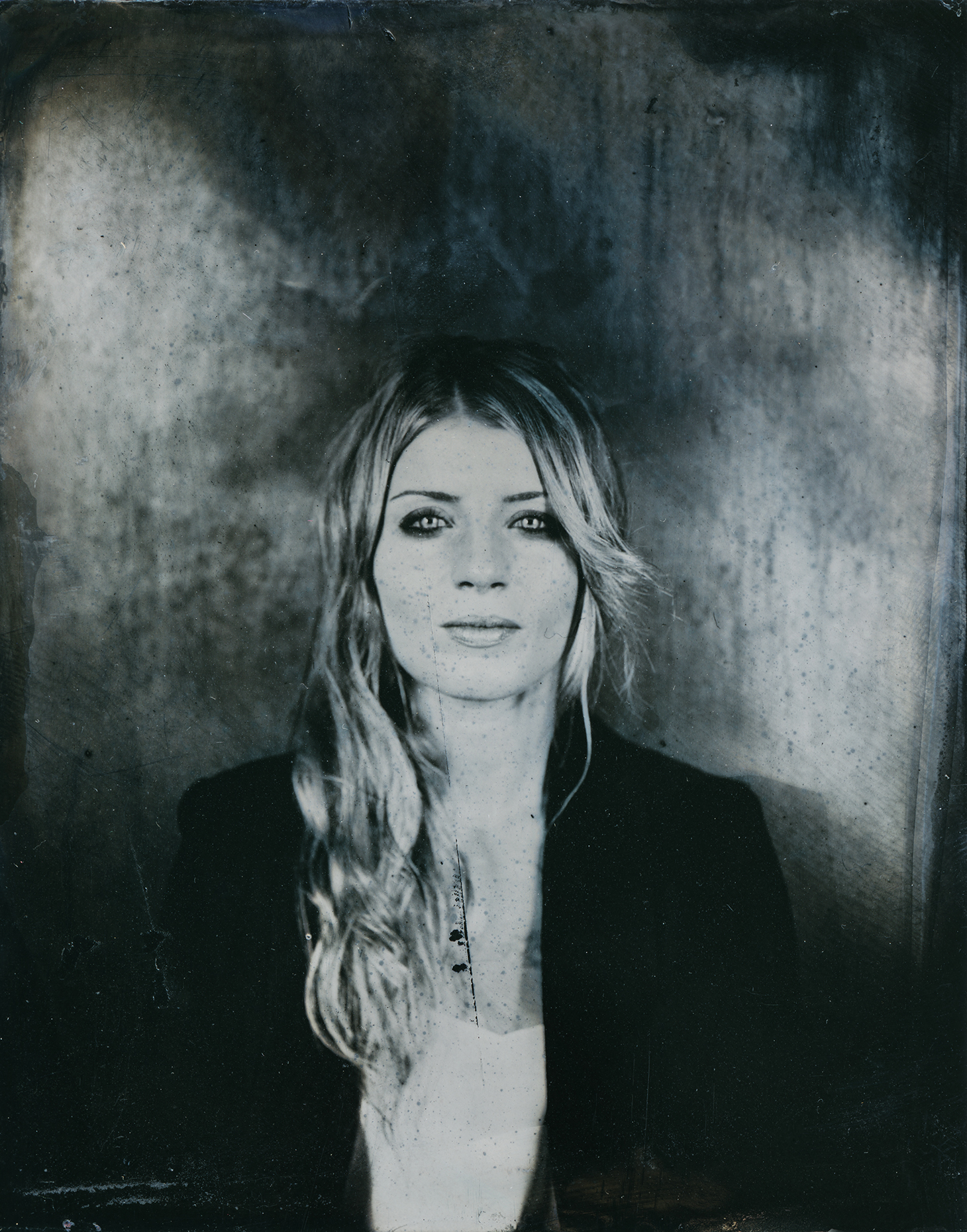
When Brooklyn, New York photographer and entrepreneur Tiffany Walling McGarity crafted stunning portraits of friends using the very old tintype method, she wanted to preserve them, and the provenance of the images, in digital form. But she discovered that a technical method promising trustworthiness through a computational trust approach deemed her work “invalid” and exposed the downsides of technical trust approaches that reinforce existing power structures.
Find the full Trust Control documentary series in most podcast apps or listen to this episode here:
In this episode:
- Trustworthiness metadata and “content credentials”
- News industry assumptions about technical media trust and and authenticity measures
- What computational trust measures miss that news consumers care about
- The push for a distrust-first or zero trust approach to media and who gets left out
- The blurring lines of technical and human trust
People Featured in this Episode
- Kate Kaye, Trust Control creator and narrator
- Tiffany Walling McGarity, Photographer, Co-founder and CEO of Metapyxl
- Tessa Sproule, Director of Metadata and Information Management at the English division of CBC Radio Canada
- Lynn Walsh, Journalist, Assistant Director of Trusting News, Chairwoman of the Society of Professional Journalists’ Ethics Committee
Key References (Mostly) in Order of Appearance
PART ONE
Tiffany Walling McGarity’s Digitized Tintype Photos
Tintype portrait of Matthew Perino
Tintype portrait of Amanda Hollaback
Photography by: Walling McGarity
Both plates poured and processed on location: Brooklyn, NY by Gair Wissenbach
Nous avons été témoins, nous pouvons le prouver
(translation: We have witnessed it, we can prove it.)
Agence France Presse video
2025
Content Credentials (C2PA)
(Also see C2PA technical specifications)
In Post-Authenticity AI Age, Knowledge Institutions Matter More than Ever
By John Wihbey
Tech Policy Press
2025
NYT’s Canada Bureau Chief Used AI for Fake Poilievre Quote ft. Michelle Cyca
The North State
2026
Journalism fact-checking is “an infrastructure problem”
LinkedIn Post
Erik Svilich, Encypher CEO
2026
PART TWO
Instagram Photos Are Being Labeled ‘Made With AI’ When They’re Not
By Matt Growcoot
2024
PART THREE
JPEG Trust
Origin Lens: Reclaiming Trust on the AI-Mediated Web Through On-Device Image Provenance Verification
by Alexander Loth, et al
WebSci Companion ’26: Companion Publication of the 2026 18th ACM Web Science Conference
2026
“if you can’t prove it’s real, it’s not.”
Comment on LinkedIn Post
2026
Trust Control Credits
Trust Control was researched, written, edited and produced by Kate Kaye. All interviews with sources featured in Trust Control were conducted by Kate unless otherwise noted.
Fake ads and silly satire were voiced by Kate Kaye and/or Kyle Huth.
Music
The tunes featured throughout Trust Control were written by D. Rives Curtright and performed by the band Epic Strange from Trust Control’s home of Portland, Oregon:
- D. Rives Curtright: guitar, baritone sax, percussion and drum machine
- Charlie Gotgart: bass
- Steven Francisco: midi keys
- Octavio Dowling: keys
- Dave Coniglio: drums and vibraphone
- Mike McGovern: bass on Decimation
Hear the full Epic Strange album, Nouveau Electric Mess on Soundcloud. Hear music from D. Rives Curtright on Spotify.
The work that went into Trust Control was done in Kate Kaye’s personal time and was supported by Oregon State University’s Patricia Valian Reser Center for the Creative Arts fellowship on Trust in the Age of Generative AI and Oregon Humanities.


Leave a Reply